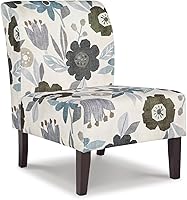
What Is a Wingback Chair?
A wingback chair is an upholstered chair with a high back and raised side panels, called wings, that extend forward beside the sitter. When choosing one, compare its size, seat, arms, and fabric with your room and how you plan to use it.
On this page (9 sections)
- What is a wingback chair, and what defines its shape?
- What are the wings for?
- How is a wingback different from other chairs?
- How do you choose a wingback chair for your room?
- How do fabric, color, and legs affect the choice?
- Where can a wingback chair fit?
- How do you set up and care for a wingback chair?
- What common wingback chair buying mistakes should you avoid?
- Is a wingback chair right for you?
A wingback chair is an upholstered chair with a high back and side panels, or wings, that extend forward beside the sitter. If you're asking what is a wingback chair and whether one belongs in your home, start with its shape, then check the size, seat, arms, and fabric against your room and routine.
The name describes a silhouette, not one fixed size or material. A wingback can feel traditional or current depending on its upholstery, leg shape, arms, and proportions.
Our accent chair guide covers how a chair's style and size can suit different rooms.
What is a wingback chair, and what defines its shape?
A wingback chair is defined by a high back and raised side panels that extend forward. The wings may curve around the sitter or form a more angular outline, and they can vary in width and height.
Many have arms, but the wings and tall back create the recognizable profile. Tufting, fabric, leg shape, and seat proportions are design choices.
Two chairs can both be wingbacks while looking and feeling quite different.
The BELLEZE High Back Linen Chair pairs its wingback shape with padded arms, wooden legs, and patterned blue-coral upholstery. Its 28.3 in depth, 29.5 in width, and 36.6 in height give you useful measurements to compare with your available floor space.
What are the wings for?
The wings frame the upper sides of the chair and give it its distinctive outline. Their shape is part of the design, so pay attention to their size and how they meet the back when comparing chairs.
Don't assume every wingback has broad wings or the same sitting feel. Look at the whole chair from the front and side, and check the seat dimensions as well as the back.
A dramatic back can make a chair look larger than its footprint suggests.
Does every wingback chair have the same shape?
No. Some have broad, curved wings and rounded arms, while others have a narrower outline or sharper lines.
The back can be smooth or tufted, and the legs can be visible or partly hidden by upholstery. Those details change the chair's look without changing the defining high-back, winged shape.
How is a wingback different from other chairs?
A wingback is identified by its high back and forward-projecting wings. Other chair names usually describe a different shape or role, although styles can overlap.
A club chair often has a deep seat, arms, and an enclosed profile. A slipper chair is armless, with a lower seat.
An accent chair is a broader category based on the chair's role in a room, so wingback, club, and slipper chairs can all serve as accent seating.
How do you choose a wingback chair for your room?
Choose by measuring the chair's footprint, checking the seat and arms, and matching the upholstery to your room. A familiar silhouette alone doesn't tell you whether a particular chair will fit your space or suit your use.
Measure the floor area and the route through doorways before buying. Compare the chair's width, depth, and height with the space, and leave room to walk around it and use nearby furniture.
Include any clearance needed to open doors or drawers.
The YOLENY Mid-Century Wingback Armchair has linen upholstery in a grey-green leaf pattern, rounded arms, and tapered wood legs. It suits someone who wants a patterned chair for a living room, bedroom, or home office, and its 20 in seat depth is useful to compare with your preferred sitting position.
Which details matter most before you buy?
Start with the seat, not just the outer shape. A chair's overall width and depth tell you how much floor space it uses, while its seat width and depth help you judge whether it offers the room you want.
Then consider the back and arm position. If you plan to read, check whether the back reaches the height you want and whether the arms sit comfortably for your posture.
If you want the chair mainly as an accent, the pattern, color, and leg finish may matter more than a deep seat.
Who should choose a patterned wingback?
A patterned wingback suits someone who wants the chair to draw attention or add texture to a simple room. The BELLEZE chair's bold patterned upholstery and the YOLENY chair's grey-green leaf design offer distinct looks for readers who want more than a plain solid color.
Skip a bold pattern if nearby rugs, curtains, or upholstery already compete for attention. A solid color is often easier to coordinate when the room has several patterns or when you expect to change the surrounding decor.
How do fabric, color, and legs affect the choice?
Choose upholstery by considering the room's colors, nearby patterns, and the care directions for the fabric. A bold print can become a focal point, while a quieter fabric may work better among patterned rugs or curtains.
Compare color in the room's lighting and against the furniture that will sit nearby. For more help weighing upholstery options, see our guide to chair looks and fabrics.
Visible wood legs add another finish to coordinate with floors and other furniture.
Where can a wingback chair fit?
A wingback can work in a living room, bedroom, or home office when its footprint and style suit the space. Its tall back may stand out beside low furniture, so consider the full outline, not only the floor area.
In a reading corner, plan for the chair, a lamp, and a nearby table together. Keep a clear walking path, and check that the wings and arms won't crowd a doorway or an adjacent seat.
For compact rooms, compare the footprint with narrower chair styles; our best wingback accent chairs guide offers more options by shape and use.
The HOMCOM Wingback Armchair is a good fit for someone who wants a tufted cream chair with a cushioned seat and wood legs for a living room, bedroom, or office. It measures 29.25 in wide, 33.75 in deep, and 40.25 in high, so skip it if that depth would crowd your room.
How do you set up and care for a wingback chair?
Set up the chair where its full footprint leaves a clear path and its upholstery fits the room's care routine. If assembly is required, follow the included instructions and check that the legs are secure before regular use.
For the BELLEZE chair, assembly instructions are included, and its wooden legs have rubber inserts to help prevent floor scratches. The YOLENY chair has antislip foot pads, and its care guidance calls for a clean dry cloth or vacuum.
For any upholstered chair, check its care directions before cleaning, use a suitable soft brush or vacuum attachment for dust, and avoid soaking fabric unless its instructions allow it.
A common mistake is placing the chair first and checking the walking path later. Measure the chair's depth and width, then mark that footprint on the floor to see how it sits beside tables, sofas, and doorways.
What common wingback chair buying mistakes should you avoid?
The most common mistake is choosing by appearance without checking the seat dimensions and room clearance. A chair can match your decor and still feel too large or too small for the intended spot.
Don't treat a weight capacity as a comfort measure. For example, the HOMCOM chair lists a 352 lb capacity, while the BELLEZE and YOLENY chairs list 300 lb capacities.
Those figures help with a capacity check, but you should still compare seat width, depth, back height, and arm position for your needs.
Another mistake is assuming all fabrics clean the same way or that a patterned chair will coordinate with every room. Check care instructions and consider nearby colors before choosing.
If the chair will be used daily, give comfort and maintenance as much attention as its silhouette.
Is a wingback chair right for you?
Choose a wingback if you want a high-backed seat with side wings and have room for its full footprint. Pick the BELLEZE if a bold blue-coral pattern and padded arms suit your room, the YOLENY if you want a grey-green leaf print with a 20 in seat depth, or the HOMCOM if you prefer a tufted cream look and have space for its deeper frame.
Skip a wingback if its tall outline would crowd the room, you need an armless chair, or its fabric care and dimensions don't fit your routine. For a broader overview of chair shapes, keep the main types of accent chairs guide handy, and read whether wingback chairs are comfortable if sitting comfort is your main concern.
Frequently asked questions
What makes a chair a wingback?
A wingback chair has a tall back with raised side panels that extend forward near the sitter's head or shoulders. Those wings define the style, while upholstery, arms, legs, and overall size can differ from one chair to another.
What is the purpose of the wings on a wingback chair?
The wings frame the upper sides of the chair and form part of its recognizable design. Their size and placement vary, so compare how they sit beside the back and how the chair's proportions will look in your room.
Is a wingback chair the same as an accent chair?
No. Wingback describes a chair shape, while accent chair describes a role: a seat that adds function or visual interest to a room.
A wingback can be an accent chair, but accent chairs also come in many other shapes.
Are wingback chairs comfortable?
Comfort depends on the chair's dimensions, cushioning, upholstery, and how you like to sit. Compare seat depth, seat height, back shape, and arm placement, then see our guide to whether wingback chairs are comfortable for more detail.